
Autoclave Buying Guide for Kenyan Clinics and Laboratories
Capacity, control type and maintenance to consider before buying a steam sterilizer.
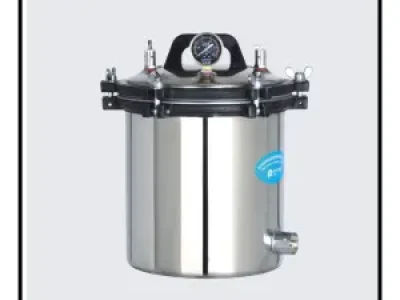
Autoclave Buying Guide for Kenyan Clinics and Laboratories
Choosing the right sterilizer for your healthcare facility
An autoclave is essential for healthcare facilities that need to sterilize reusable instruments, laboratory equipment and other suitable materials. It uses pressurized steam at a controlled temperature and exposure time to destroy microorganisms, including resistant bacterial spores.
For clinics, dental practices, hospitals and laboratories in Kenya, choosing the right autoclave means balancing capacity, intended use, safety, maintenance and budget.
1. Choose the Right Autoclave Capacity
Autoclaves are available in different chamber sizes, from compact tabletop units to larger machines for hospitals and busy laboratories.
Small clinics and dental practices: A compact tabletop autoclave may suit facilities processing smaller quantities of instruments.
Health centres and busy clinics: A medium-capacity unit may be more practical where instruments are used frequently throughout the day.
Hospitals and larger laboratories: Larger-capacity autoclaves can handle higher workloads and multiple instrument sets or suitable laboratory loads.
Consider your busiest operating periods, the size of your instrument trays and the number of cycles required daily. A machine that is too small can delay operations, while an unnecessarily large unit increases purchase and running costs.
2. Match the Autoclave to Its Intended Use
Not every autoclave is suitable for every material or sterilization task.
For clinical instruments, check whether the machine supports the specific loads you process, including wrapped instruments, hollow instruments and relevant dental handpieces. Some applications require specialised cycles and air-removal systems.
Laboratories may need additional programmes for culture media, glassware or suitable laboratory waste. Liquid loads require appropriate cycles with controlled exhaust; never assume a standard instrument cycle is suitable.
Always confirm compatibility with the equipment manufacturer's instructions and the autoclave specifications before purchasing.
3. Manual or Automatic: Which Is Better?
Manual autoclaves may have a lower initial purchase cost but require staff to monitor operating parameters and follow the correct procedure carefully.
Automatic models typically provide programmed cycles and digital controls, helping standardise operation. Depending on the model, they may also offer alarms, cycle records and drying functions.
Choose a machine that your staff can operate correctly and consistently. Automatic operation does not eliminate the need for training, monitoring or maintenance.
4. Check Safety, Quality and Documentation
Because an autoclave operates under pressure, safety features are essential. Ask about door-locking mechanisms, pressure-release protection, temperature controls, low-water protection where applicable, and the manufacturer's safety documentation.
Also confirm the availability of operating manuals, warranty information, installation requirements and evidence that the equipment meets applicable standards.
Effective sterilization must be verified through appropriate monitoring and testing. Chemical indicators, biological indicators and cycle records serve different purposes; follow your facility's infection-prevention procedures and applicable guidance.
5. Consider Maintenance and Running Costs
The purchase price is only part of the total cost of owning an autoclave. Budget for electricity, water or water treatment where required, consumables, routine servicing and replacement parts.
Before ordering, ask your supplier about:
Warranty coverage and after-sales support.
Availability of spare parts and qualified technicians in Kenya.
Installation, commissioning and staff training.
Recommended maintenance intervals and water-quality requirements.
Availability of sterilization indicators and other necessary consumables.
Regular maintenance helps preserve equipment performance and reduces the risk of unexpected downtime.
6. Where Can You Buy an Autoclave in Kenya?
Zanmed Medical Supplies Ltd supplies medical and laboratory equipment for healthcare facilities in Kenya. When comparing autoclaves, share your intended application, daily workload, preferred chamber capacity and budget so you can identify a suitable model.
Contact Zanmed to enquire about available autoclaves, current pricing, specifications and delivery options.
Frequently Asked Questions
What size autoclave does a small clinic need?
It depends on the number and type of instruments processed, daily patient volume and turnaround requirements. Estimate your peak workload before selecting a chamber size.
Can one autoclave be used for both clinical instruments and laboratory materials?
Only if the machine supports the required cycles and is appropriate for the materials involved. Confirm compatibility with the manufacturer before use.
How do I know whether an autoclave is working correctly?
Follow the manufacturer's operating instructions and your facility's sterilization monitoring procedures. Routine cycle checks alone may not be sufficient to demonstrate effective sterilization.
What should I prioritise when buying an autoclave in Kenya?
Prioritise suitability for your intended loads, adequate capacity, safety features, reliable documentation, warranty coverage and accessible maintenance support not price alone.
Conclusion
The best autoclave for your facility is one that safely handles your actual workload and can be maintained reliably over time. By assessing capacity, cycle requirements, safety and after-sales support before purchasing, Kenyan clinics and laboratories can make a more informed investment in infection prevention.