 NEW
Operating Theatre
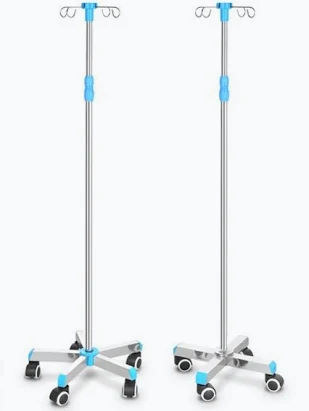
Stainless Steel IV Drip Stand
Ksh 4,000.00

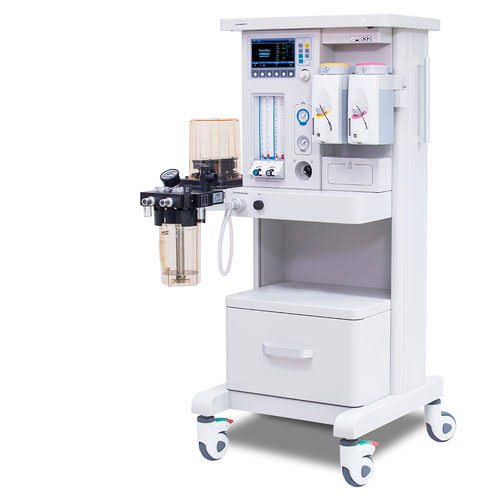
The AM832 Anaesthesia Machine is a medical anaesthesia workstation designed to support controlled anaesthetic delivery and mechanical ventilation during surgical procedures. Combining an integrated ventilator, adjustable ventilation parameters and essential alarm functions, it is designed to support anaesthesia professionals in managing patients throughout surgical care.
The AM832 Anaesthesia Machine is a medical anaesthesia workstation designed to support controlled anaesthetic delivery and mechanical ventilation during surgical procedures. Combining an integrated ventilator, adjustable ventilation parameters and essential alarm functions, it is designed to support anaesthesia professionals in managing patients throughout surgical care.
Featuring an alloy-material construction, a durable high-temperature spray finish and advanced control technology, the AM832 combines a classic workstation design with practical functionality for operating theatres. Its minimum controllable tidal volume of 20 mL supports ventilation requirements for a range of patients, subject to the machine's specified operating limits and clinical assessment.
The machine also incorporates Positive End-Expiratory Pressure (PEEP), which can help maintain positive pressure in the lungs at the end of expiration. When appropriately configured, PEEP can support respiratory management and improve synchronisation between the patient and ventilator.
Advanced control technology: Designed to provide controlled anaesthesia delivery and ventilation management.
Durable alloy construction: Features an alloy-material body with a high-temperature spray finish.
Low tidal volume capability: Minimum controllable tidal volume of 20 mL, subject to the manufacturer's specifications.
PEEP function: Supports positive end-expiratory pressure to assist respiratory management and patient–ventilator synchronisation when clinically appropriate.
Oxygen supply monitoring: Includes an alarm for insufficient oxygen supply pressure.
Oxygen-related alarm protection: Provides an alarm when the oxygen battery or associated component falls off or fails, according to the manufacturer's description.
Airway pressure alarms: Supports high- and low-airway-pressure alarm testing to help identify abnormal operating conditions.
Electrical power verification: Allows operators to verify connection to an AC power source before use.
Operating theatre application: Designed for use by trained anaesthesia personnel in appropriately equipped healthcare facilities.
Specification
Details
Product name
AM832 Anaesthesia Machine
Product category
Anaesthesia workstation with ventilator
Construction
Alloy material
Surface finish
High-temperature spray finish
Minimum controllable tidal volume
20 mL
PEEP function
Available
Oxygen supply pressure alarm
Available
Oxygen-related component failure alarm
Described by the manufacturer; confirm the exact monitored component
Airway pressure alarms
High- and low-pressure alarms
Power supply
AC power; confirm rated voltage and frequency on the supplied unit
Intended environment
Hospital operating theatres and suitable surgical facilities
Operation
By qualified anaesthesia professionals
The specifications above are based on the supplied product information. Confirm the manufacturer's official datasheet for additional parameters, including maximum tidal volume, ventilation modes, PEEP range, gas supply requirements, vaporizer compatibility, monitoring functions and battery specifications.
The AM832 supports a minimum controllable tidal volume of 20 mL. Tidal volume refers to the amount of gas delivered during an individual breath.
The ability to configure low tidal volumes can be important when managing patients with different ventilation requirements. However, the appropriate settings depend on the patient's characteristics, clinical condition and the manufacturer's specified operating range.
The PEEP function maintains positive pressure in the breathing circuit at the end of expiration when appropriately configured.
Potential clinical benefits include:
Helping maintain alveolar recruitment in suitable patients.
Supporting oxygenation when clinically indicated.
Assisting respiratory management during mechanical ventilation.
Supporting patient–ventilator synchronisation when combined with appropriate settings.
PEEP settings must be selected and monitored by qualified clinicians according to the patient's needs and applicable clinical protocols.
Anaesthesia equipment must support continuous clinical observation and allow staff to identify potentially hazardous operating conditions. The AM832's documented alarm functions include:
This alarm alerts the operator to inadequate oxygen supply pressure. Staff should investigate the supply, connections and machine status according to the manufacturer's instructions whenever the alarm occurs.
The supplied manufacturer information describes an alarm when the oxygen battery or associated component falls off or fails. The precise component and alarm behaviour should be verified against the official operator manual before clinical use.
These alarms are intended to alert the operator when airway pressure falls outside configured limits. Alarm activation requires prompt assessment of the patient, breathing circuit, ventilator settings and equipment condition.
Important: Alarm functions supplement, rather than replace, continuous patient monitoring, pre-use checks and clinical supervision.
Before administering anaesthesia, trained personnel should perform the manufacturer's recommended pre-use checks. The following steps are based on the supplied AM832 instructions and must be completed in accordance with the official operator manual and local clinical procedures.
Verify the power supply: Connect the anaesthesia system to an AC power source, switch on the machine and confirm that it recognises AC power.
Check the oxygen supply pressure alarm: Review the safety information and verify the alarm for insufficient oxygen supply pressure.
Test the low-oxygen-concentration alarm: Confirm the specified alarm function using the manufacturer's approved test procedure.
Test the airway pressure alarms: Verify the high- and low-airway-pressure alarms according to the operator manual.
Complete all remaining pre-use checks: Follow the manufacturer's full checklist for the breathing system, ventilator, gas supplies, vaporizers, monitors and other installed components.
The manufacturer advises that local adaptations to the preoperative examination checklist should be appropriately reviewed and approved. The checks listed above are not a substitute for the complete manufacturer-approved procedure.
The AM832 Anaesthesia Machine is intended for use in appropriately equipped healthcare facilities, including:
Hospital operating theatres.
Private surgical centres.
General surgery departments.
Maternity facilities performing surgical procedures.
Healthcare institutions upgrading their anaesthesia equipment.
Suitability for adult, paediatric or neonatal patients must be confirmed against the manufacturer's stated indications and technical specifications.
The integrated anaesthesia and ventilation functions support the management of anaesthetic delivery and respiratory support within a single workstation.
The documented minimum controllable tidal volume of 20 mL provides a low-volume setting option for appropriate clinical applications.
Oxygen supply pressure and airway pressure alarms help alert trained personnel to specified abnormal conditions during operation.
The alloy-material construction and high-temperature spray finish are designed to provide a practical housing for use in clinical environments.
The workstation design brings key anaesthesia and ventilation functions together for use by qualified professionals during surgical procedures.
The AM832 is specialised medical equipment and must be installed, commissioned and maintained by qualified personnel in accordance with the manufacturer's instructions.
Before procurement, healthcare facilities should confirm:
Complete technical specifications and approved intended use.
Compatibility with available medical gas supplies.
Included vaporizers, breathing circuits and accessories.
Availability and operation of required alarms.
Electrical safety and backup power arrangements.
Installation, commissioning and operator training requirements.
Warranty coverage and availability of technical support and replacement parts.
Only appropriately trained anaesthesia professionals should operate the machine. Required pre-use checks, patient monitoring and maintenance must follow the manufacturer's instructions and the healthcare facility's approved procedures.
Zanmed Medical Supplies Ltd supplies medical equipment to hospitals, clinics, surgical centres and healthcare institutions across Kenya.
When enquiring about the AM832 Anaesthesia Machine, request confirmation of the supplied configuration, technical specifications, included accessories, warranty, installation, commissioning and after-sales support.
Contact Zanmed Medical Supplies Ltd for product availability, delivery arrangements and a quotation.
It is designed to support anaesthetic delivery and mechanical ventilation during surgical procedures in appropriately equipped healthcare facilities.
The supplied product information specifies a minimum controllable tidal volume of 20 mL. Confirm the complete operating range and applicable patient categories in the manufacturer's official documentation.
Positive End-Expiratory Pressure maintains positive pressure at the end of expiration. When clinically appropriate, it can help support alveolar recruitment and oxygenation.
According to the supplied product information, it includes an insufficient oxygen supply pressure alarm and an additional oxygen-related component failure alarm. Confirm the exact alarm specifications in the operator manual.
The supplied instructions identify AC power verification, oxygen supply pressure alarm checks, low-oxygen-concentration alarm testing and high- and low-airway-pressure alarm testing. Operators must also complete the full manufacturer-approved pre-use checklist.
Zanmed supplies hospitals, diagnostic laboratories, and private clinics across Kenya. Individual client reviews reflect aggregate satisfaction ratings verified by our institutional sales desk.
All machinery and clinical instrumentation include installation support and preventative maintenance guidance from our Nairobi engineering team.
NEW NEW
 NEW
 NEW
 NEW